BLOGGER TEMPLATES AND TWITTER BACKGROUNDS »

Hair It Is

Dark And Lovely

Showing posts with label Aloe Vera Gel. Show all posts

Friday, February 7, 2014

Aloe Vera Gel's Facts / Benefits


Facts

Aloe Vera is a succulent plant species that is found only in cultivation, having no naturally occurring populations, although closely related aloes do occur in northern Africa. The species is frequently cited as being used in herbal medicine since the beginning of the first century AD. Extracts from Aloe Vera are widely used in the cosmetics and alternative medicine industries, being marketed as variously having rejuvenating, healing, or soothing properties. 

The flowers are produced in summer on a spike up to 90 cm (35 in) tall, each flower being pendulous, with a yellow tubular corolla 2–3 cm (0.8–1.2 in) long.  Like other Aloe species, Aloe Vera forms arbuscular mycorrhiza, a symbiosis that allows the plant better access to mineral nutrients in soil.

Spotted forms of Aloe Vera are sometimes known as Aloe vera var. chinensis.  The species has a number of synonyms: A. barbadensis Mill., Aloe indica Royle, Aloe perfoliata L. var. vera and A. vulgaris Lam. Common names include Chinese Aloe, Indian Aloe, True Aloe, Barbados Aloe, Burn Aloe, First Aid Plant. 

Aloe Vera has been widely grown as an ornamental plant. The species is popular with modern gardeners as a putatively medicinal plant and for its interesting flowers, form, and succulence. This succulence enables the species to survive in areas of low natural rainfall, making it ideal for rockeries and other low water-use gardens. The species is hardy in zones 8–11, although it is intolerant of very heavy frost or snow. The species is relatively resistant to most insect pests, though spider mites, mealy bugs, scale insects, and aphid species may cause a decline in plant health. 


In pots, the species requires well-drained, sandy potting soil and bright, sunny conditions; however, Aloe plants can burn under too much sun or shrivel when the pot does not drain the rain. The use of a good-quality commercial propagation mix or packaged "cacti and succulent mix" is recommended, as they allow good drainage.  Terra cotta pots are preferable as they are porous.  Potted plants should be allowed to completely dry prior to rewatering. When potted, aloes become crowded with "pups" growing from the sides of the "mother plant", they should be divided and repotted to allow room for further growth and help prevent pest infestations. 

During winter, Aloe Vera may become dormant, during which little moisture is required. In areas that receive frost or snow, the species is best kept indoors or in heated glasshouses.


6000 year old stone carvings in Egypt contain images of the plant, which they referred to as the "plant of immortality". It was given as a burial gift to deceased pharaohs.  The Ancient Greeks and Romans used Aloe Vera to treat wounds. 

Aloe vera has been used for a host of purposes since the ancient Egyptians called it the “plant of immortality.” 


Benefits

Preparations made from Aloe Vera are often referred to as "aloe vera".   The cosmetic and alternative medicine industries regularly make claims regarding the soothing, moisturizing, and healing properties of aloe vera; commercially advertised mainly for skin conditions such as sunburns, cold sores and frostbite.   


Aloe Latex  (aloin)
Aloe vera gel is also used commercially as an ingredient in yogurts, beverages, and some desserts; although at certain doses, its toxic properties could be severe whether ingested or topically applied. The same is true for aloe latex, which was taken orally for conditions ranging from glaucoma to multiple sclerosis until the FDA required manufacturers to discontinue its use.  In the Middle Ages, the yellowish liquid found inside the leaves was favored as a purgative.  Unprocessed aloe that contains aloin is generally used as a laxative, whereas processed juice does not usually contain significant aloin.

With alternative medicine it is used as a first aid. Both the translucent inner pulp and the resinous yellow aloin from wounding the aloe plant are used externally to relieve skin discomforts. As an herbal medicine, Aloe vera juice is commonly used internally to relieve digestive discomfort.


kathalai (Aloe Vera in Ayurvedic medicine)

The species is used widely in the traditional herbal medicine of many countries. Aloe vera, called kathalai in Ayurvedic medicine, is used as a multipurpose skin treatment. This may be partly due to the presence of saponin, a chemical compound that acts as an antimicrobial agent.


Various studies have been conducted to examine the benefits of the aloe vera plant and it was found out that aloe vera does in fact have several properties that are effective in treating a variety of skin conditions, from flaky or dry skin, cosmetic ailments, hair and scalp problems to many more. 

It is also said to be useful in treating wounds and burns, minor skin infections, cysts, diabetes, and elevated blood lipids in humans, and shows some promise in treating more serious and persistent conditions such as eczema, genital herpes, dandruff, psoriasis, canker sores, skin ulcers and others, according to the Mayo Clinic.

Aloe Vera gel may be useful as a treatment for genital herpes and psoriasis. Also has healing abilities.  It can offer protection for humans from sunburn, suntan, or other damage from the sun.  A 2007 review of aloe vera's use in burns concluded, "cumulative evidence tends to support that aloe vera might be an effective interventions used in burn wound healing for first- to second-degree burns. 

Skin Benefits:

On face for a moisturizer.  Leaves skin soft with a sheen, not oily to the touch and not oily looking.  Gives a natural glow look.  Aloe moisturizes the skin without giving it a greasy feel, so it`s perfect for anyone with an oily skin complexion. Smooth and glowing skin can be achieved easily by rubbing aloe vera gel on the face. Aloe vera lightens the skin and helps to alleviate sun tanning and hyper pigmentation.

  • For women who use mineral-based make-up, aloe vera acts as a moisturizer and is great for the face prior to the application to prevents skin drying. 
  • For men: Aloe vera gel can be used as an aftershave treatment as its healing properties can treat small cuts caused by shaving.

It treats acne.   
Aloe vera gel contains two hormones: Auxin and Gibberellins. These two hormones provide wound healing and anti-inflammatory properties that reduce skin inflammation. Giberellin in aloe vera acts as a growth hormone stimulating the growth of new cells. It allows the skin to heal quickly and naturally with minimal scarring. 

Aloe is soothing and can reduce skin inflammations, blistering and itchiness, while helping the skin to heal more rapidly. Additionally, in Ayurvedic medicine, Aloe is used to effectively heal chronic skin problems, such as psoriasis, acne and eczema.
 

 It fights aging. 

As we age, everyone begins to worry about the appearance of fine lines and the loss of elasticity in their skin. Aloe leaves contain a plethora of antioxidants including, beta carotene, vitamin C and E that can help improve the skin's natural firmness and keep the skin hydrated.  Thus it refreshes the skin and makes it vibrant and young looking. So for a young and healthy skin, start using aloe vera gel today.


It lessens the visibility of stretch marks. 
The skin is like one big piece of elastic that’ll expand and contract as needed to accommodate growth. But if the skin stretches too far, too fast (due to pregnancy, rapid weight gain or loss) the elasticity of the skin can be damaged. That’s what leaves those unsightly stretch marks. These marks appear due to minor tears in the layers of the skin caused by sudden and excessive stretching. Aloe vera gel can help hide these stretch marks by healing these wounds.


Fruit if the Earth Aloe Vera Juice 99.8%, 1 gallon (Walmart, $7.44)

Drinking aloe vera juice supplies body with essential nutrients which help to produce and maintain healthy skin. It promotes the removal of dead cells and replenishes it with new ones, giving the skin a radiant glow. No calories, no cholesterol.  No fat, no carbs.  Juice from 100% inner gel fillet.  Made with organically grown, cold processed aloe.

 
Hair Benefits

Promotes Hair Growth.  Proteolitic enzymes are able to to eradicate dead skin cells on the scalp that could be clogging the the hair follicle, not allowing for the proper penetration of nutrients in the hair. Conditions like seborrhea, which occurs from an accumulation of sebum on the scalp, can contribute to partial baldness. Aloe Vera’s keratolic action, breaks down the sebum and dead scalp cells, allowing for further hair growth. Also, Aloe Vera’s alkalizing properties can help bring the scalp and hair’s pH to a more desirable level, resulting in further hair growth promotion, while helping the hair retain water and moisture.

Hair loss treatment can be traced back to the ancient Egyptian times. Aloe vera contains enzymes that promote hair growth. The proteolitic enzymes found in aloe vera help to eradicate dead skin cells on the scalp. Aloe vera’s keratolic action breaks down the sebum and dead scalp cells. Aloe vera’s alkalizing properties balances the pH level of the scalp and hair which results in further hair growth and retains moisture in the scalp.

Aloe vera also helps to eliminate itchy scalp and scalp dryness by its anti-pruritic properties. It also alleviates pruritic ailments like psoriasis and eczema of scalp. Aloe vera’s enzymatic properties enable it to destroy excessive dead skin cells of the scalp.  It helps to reduce the redness, scaling, itching and inflammation of scalp which directly benefits the hair.

Aloe vera is also used in dandruff treatment. The natural enzymes found in aloe vera soothe and moisturize the scalp that helps to eliminate the scalp dryness that causes dandruff. Thus its anti-fungal properties alleviate dandruff problem.  It alleviates the dry and itchy feeling that accompanies dandruff and oiliness. Aloe vera brings a refreshing and cooling sensation to the scalp.

Aloe vera is a great conditioning agent that restores the hair’s shine and luster, and leaves the hair silky and smooth. The gel like substance found in aloe vera leaves is similar to keratin in chemical composition. This enables it to penetrate easily along the scalp. The scalp absorbs the benefits of aloe vera up to 7 layers deep and provides deep conditioning to the scalp. The amino acids present in aloe vera add strength and luster to the hair. It also enhances the beauty and suppleness of the hair. It control frizzy hair and does not leave behind any greasy build up.  Condition Hair with Aloe Vera, Steps and Recipe

The essential nutrients and vitamins found in aloe vera makes it an indispensible material for shampoos and conditioner. These vitamins and minerals aid in restoring hair’s strength and beauty. When combined with oils like coconut and jojoba oil, aloe vera can make a revitalizing shampoo.

Aloe vera gel is a perfect rinse for oily hair without making the hair brittle.  Mix one part of aloe vera juice with two parts of lemon juice and apply the mixture to the shaft of hair. The acid from lemon strips away excess oil without any adverse effect of chemicals and aloe vera juice prevents dryness of the hair.

Aloe vera gel also repairs dry and damaged hair in a short span of time. Aloe vera contains a good amount of protein which is necessary for maintaining the good health of the hair. By going through the hair shaft, aloe gel cures each strand restoring the natural beauty of the hair. In addition, it reinforces the outer layer of the hair which gives you a more manageable crown of glory. It softens, fortifies and rejuvenates the skin by flushing out the dirt, particles and bacteria from the scalp.

Alopecia or male pattern baldness is a common hair problem faced by men. This is a kind of hair loss that occurs at a particular part of the head or leads to full hair loss. This scalp condition can be reduced by regular usage of aloe vera. This is mainly because it rejuvenates the hair follicles and helps to reduce hair fall.
These are the multiple aloe vera uses. Get hold of an aloe vera plant today! And don’t forget to leave you feedback in the comments below.

Monday, January 20, 2014

Help For Dry Hair

Hair masks for dry and dull hair

Battling dry and dull hair? Here are 10 super rich hair masks completely made out of natural ingredients.


  • Traditional Henna Pack

Soak henna mixed with black tea overnight. In the morning, add two beaten eggs, four teaspoons of curd, juice of half a lemon and one tablespoon of coconut or olive oil. Leave this mask on for at least two hours before washing it off with cold water for best results. Use a mild shampoo.


  • Protein-Rich Hair Mask 

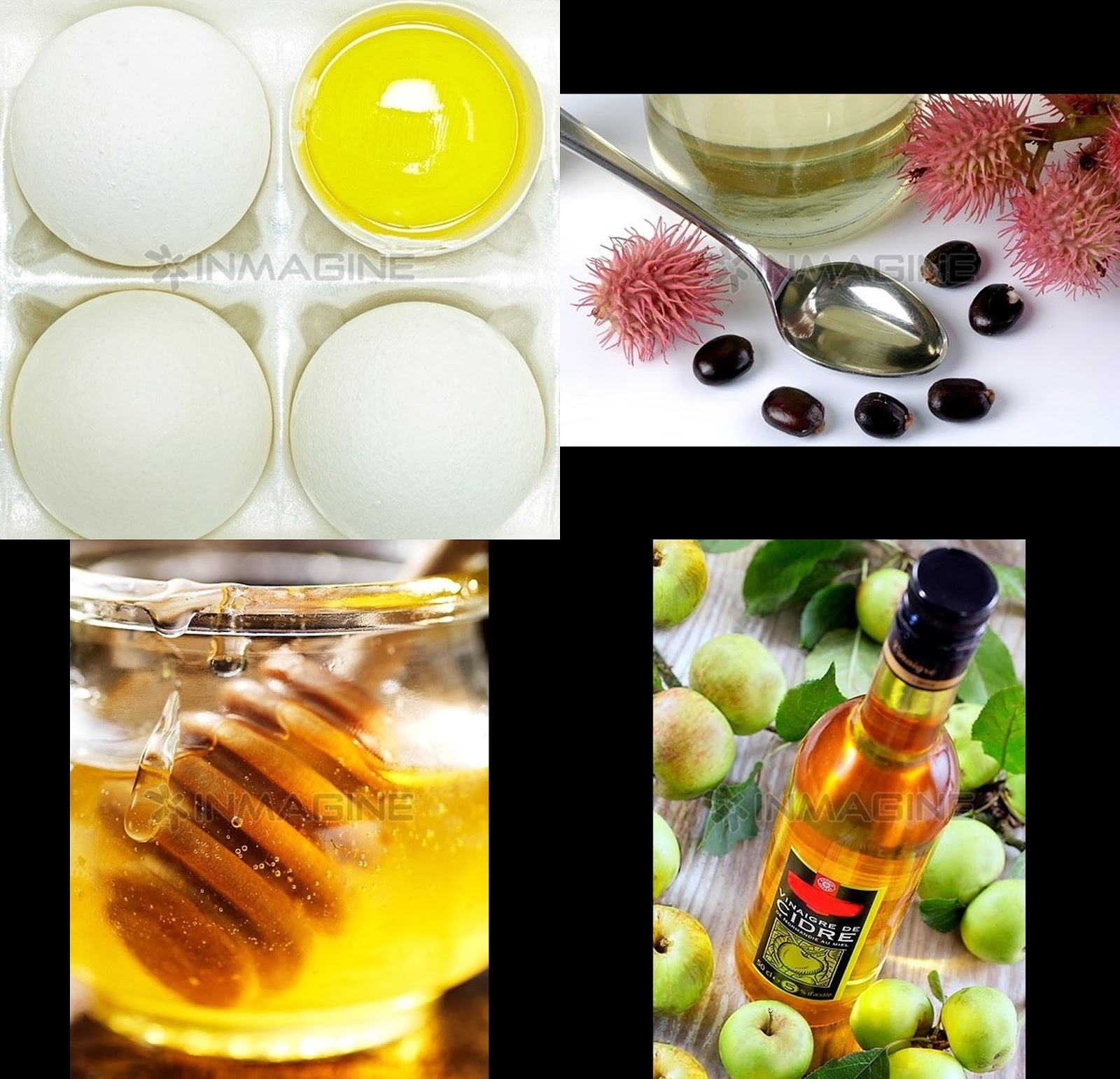
Mix one egg yolk, one tablespoon of castor oil, one tablespoon of honey and cover your hair from root to tips. Put on a plastic shower cap and wrap your head with a towel. Wash off after half an hour and do a final rinse with apple cider vinegar. Using this mask thrice a week will give you excellent results.


  • Banana Mask

Mash two ripe bananas till smooth. Add two tablespoons of mayonnaise and one tablespoon of olive oil. Apply and leave on hair for an hour. Wash hair with lukewarm water. Since bananas are known for its softening effects on the hair, this mask is excellent for ladies who have dull and rough hair.


  • Potato Hair Mask

Remove the skin of one large potato and grate it. Squeeze the juice into a bowl. Mix two tablespoons of aloe vera gel to this. Stir well till the mixture becomes smooth in texture. Massage onto the scalp for 15 minutes and then, leave the mask for two hours before washing off. This mask helps in hair growth and combats hair fall.


  • Coconut Cream Mask

Take out all the cream at the bottom of a tender green coconut. Put it in a dish and warm it a little. Slowly massage it into your hair from root to tip. Wrap your hair in a warm towel and leave it for an hour. Wash with a mild shampoo and let your hair dry naturally. If done regularly, this pack helps regain your hair's lost shine and also makes it bouncy.


  • Coveted Avocado Mask
Mash avocado pulp and add mayonnaise in the ratio 1:2. Because of its thick and heavy texture, avocado is one of the best smoothening natural remedies for dry and dull hair. Apply the mixture through your hair. Wash off with tap water after 30 minutes.


  • Methi Anti-Dandruff Hair Mask

Soak methi seeds in water overnight. Grind into a paste the next day and massage into scalp and hair. Leave on for 20 minutes before washing off. You can also use the water as the last rinse after you shampoo. This not only reduces dandruff, but also strengthens the hair.


  • Protein-Rich Gram Flour Pack

Soak three tablespoons of black gram overnight and grind it to paste next day. Mix it with one beaten egg, one tablespoon of lemon juice and one cup of yoghurt. Apply to hair and leave on for half an hour before washing off with cold water.


  • Mask for hair growth

Grind black pepper and lemon seeds in equal amounts. Boil three tablespoons of dried rosemary in three cups of water till the water reduces to less than half. Cool and strain. Dissolve the ground pepper and lemon seeds powder in this solution to make a fine paste. Add a cup of curd to it and mix well. Apply on your hair and scalp. Wash after 15 minutes with cold water.


  • Hibiscus Hair Pack

Take a cupful of red hibiscus petals and soak it overnight. Make a paste of it and add olive oil to it. Apply it on your scalp and wash off after an hour for lustrous tresses.


Possible Causes for Dry Hair
  1. Shampooing too often
  2. Use of 'poos with harsh sulfates
  3. Use of products with alcohol which can also be drying
  4. Not drinking enough water
  5. Sleeping on a cotton pillowcase or using a cotton scarf, which rob hair of moisture
  6. Overly porous or low porosity hair
  7. Not using water based hair moisturizers
  8. Not sealing moisture in with an oil or butter
  9. Improper hair pH
  10. Excessive use of heavy products w/out proper cleansing (build-up)
  11. Chemical Damage such as relaxers or other chemical straighteners
  12. Color treated hair (notorious for dryness)
  13. Using too much direct heat (blow dryer, flat iron, curling iron, etc. on a consistent basis)
  14. Too much chlorine (from swimming pools or tap water)
  15. Salt (from ocean water)
  16. General weathering from the elements
  17. Mechanical damage from over manipulation (which leave the cuticle vulnerable)
Solutions


  • Increase water in-take
  • Pre-poo with an oil that can penetrate the hair shaft like coconut oil
  • Cleanse with moisturizing poos or ones that contain milder surfactants like Coco Betaine, and always follow up with a conditioner that moisturizes well
  • Use a water based leave-in conditioner after your wash and conditioning routine, and seal it in with a butter or oil while damp or wet
  • Explore protective styling to help retain moisture
  • Use deep conditioners weekly. Some may need to apply indirect heat through a shower cap, steamer, hair therapy wrap, etc., while deep conditioning
  • Evaluate if your water is hard or soft and if it needs to be treated
  • Protect your hair, when going swimming, with conditioner and a swim cap or use of a product specifically designed for sun/chlorine/salt, such as Ouidad Sun Shield
  • Determine the pH of the products you use in your hair and adjust the ratios/products accordingly
  • Always use a heat protectant when styling with heat.
  • Sleep with a satin pillow case and/or satin scarf
  • Be patient and gentle when handling your hair
  • When you're in windy or sunny conditions, bun or don a hat
  • The take away is this: Find out WHY your hair is dry. After you establish this, you can determine how best to combat the issue. Remember, the goal is to always keep your hair well-moisturized. Well, as best you can anyway! A well moisturized head of hair is a happy one!


Dry curly hair, especially dry African-American curly hair, is normal

 Our hair is naturally curly, coarse and dry, it's just how it grows out of our heads. With straight hair, it's easy for the natural oils to travel down the hair shaft, keeping it moisturized. But with curly, coily hair, it's a lot harder for the oils to navigate, which causes the hair to remain dry, especially towards the ends. So don't assume that because your hair is dry, it's always an indication of how well you care for your hair, or signs of neglect. Most of the time it's just a characteristic of our hair! You can moisturize the heck out of my hair and still have it be dry by the end of the day.

Daily Moisture Treatments:
One of the most simple solutions to combating dry hair on a daily basis is to apply water on your hair day and night. In my experience, it's not enough to just apply products or oils to your dry hair, it needs water first. The water is the moisture, while the oils and products are what seals the moisture in.

Fill a spray bottle with two-thirds water and one-third aloe vera juice. Then give your hair a light spritz every morning and night, just enough to penetrate my strands, but not enough to make my hair soaking wet, so it doesn't ruin your style. Add the aloe vera juice because of it's amazing healing properties. It also helps to ease frizz and calms the ends of your hair.

After lightly spritzing with water, follow up with a bit of your favorite oil-based hair product to seal the moisture in.

This method works well on any style you're wearing: wash and go, twist out, bantu knot out, etc.. The only style you won't want to do this to is a silky, smooth flat- ironed style, as the water might revert your straight hair.

Weekly Moisture Treatments:

Once-per-week or once-every-two-weeks, a deep conditioning treatment is really helpful.


Anytime Moisture Treatments:

"Water Bagging"
If you're hanging around the house with nothing to do, why not condition your hair! A really quick way to infuse moisture into your hair without a lot of fuss, is to "water bag".
Spritz your hair with water (and aloe vera juice if you like) and throw on a plastic cap! Keep it on for as long as you want. You can even sleep with it on if you want to! When you take the plastic cap off, your hair will be extremely soft, and the best part, there's nothing to wash out! Just follow up with your favorite oil-based hair product to seal the moisture in.

The same "Wash and Go" from the image above after one night of "Water Bagging". You can sleep with the plastic cap on and wake up to plump, moisturized hair.

Friday, January 17, 2014

Moisturizers and Oils


  • Moisture = water (if aloe is included, bonus)  Keep hair wet with water before adding moisturizer.
  • Moisturizer = butter product ( e.g., coconut oil, shea butter, cocoa butter) that absorbs into the hair, and helps strengthen it by attracting proteins.  Traps the water.
  • Sealant = oil (e.g., olive oil, almond oil, argan oil, sunflower oil) that is not absorbed into hair, but provides external protection from water loss and against frizz.  Seals the moisturizer in.  
  • Carrier Oils = these oils carry nutrients from the oil, itself, to the skin and/or hair.  (Olive Oil, Coconut Oil, Grapeseed Oil, Jojoba Oil, Argan Oil, Castor Oil, Avocado Oil)  Can apply to clean hair.  Goes directly into hair.


Walmart, $5.32 100% Grapeseed Oil 24oz. Great Bargain!
Pompeian (brand)

Grapeseed Oil withstands high heat.  Great to use with using heat on hair.
Avocado Oil good for color processed hair.

Great Value (brand) Sunflower Oil 100%, 48.8 fl oz, Walmart, $3.78


Grapeseed Oil, Sunflower Oil


Avocado Oil good for color processed hair.


Thursday, January 16, 2014

Natural Hair Care Products


A humectant attracts and retains the moisture in the air nearby via absorption, drawing the water vapor into and/or beneath the organism/object's surface. By contrast, desiccants also attract ambient moisture, but adsorbs -- not absorbs -- it, by condensing the water vapor onto the surface, as a layer of film.

Humectants can be used in topical dosage forms to increase the solubility of a chemical compound's active ingredient(s), increasing the active ingredients' ability to penetrate skin, and/or its activity time. This hydrating property can also be needed to counteract a dehydrating active ingredient (e.g., soaps, corticoids, some alcohols, etc.). This is why humectants are common ingredients in a wide range of cosmetic and personal care products that make moisturization claims (e.g., hair conditioners, body lotions, face or body cleansers, lip balms, eye creams, etc.)


Examples of some humectants include:
Shea Butter
Jojoba Oil
Gylcerine
Avocado Oil
propylene glycol (E1520), hexylene glycol, and butylene glycol
glyceryl triacetate (E1518)
vinyl alcohol
neoagarobiose
Sugar alcohols/sugar polyols: glycerol/glycerin, sorbitol (E420), xylitol, maltitol (E965)
polymeric polyols (e.g., polydextrose (E1200))
quillaia (E999)
urea
aloe vera gel
MP Diol
alpha hydroxy acids (e.g., lactic acid)
honey
The chemical compound lithium chloride is an excellent -- but toxic -- humectant, as well.


Extra Virgin Olive Oil
The Best Hot Oil Treatment
Extra Virgin Olive Oil For Hair
A lot of men and women experience acute hair loss and constantly look for natural remedies that prove effective for hair re-growth.


Unrefined Raw African Shea Butter


 Bragg Organic Raw Unfiltered Apple Cider Vinegar to Cleanse Hair

1. Restores Hair to Healthy pH
2. Kills Bacteria
3. Can Make Hair Appear Shinier
4. Possible Remedy for Lice

Here is the recipe that we use for ACV:

2 Tablespoons ACV
1 cup (8 oz) of warm water

Use a spray bottle and a squirt bottle to add it to the hair and have found that a spray bottle with a stream option works best for us.  Getting the ACV to the roots of the hair is the most important for all of it's benefits, so just a straight spray wouldn't really work in getting it where it needs to go.

You can actually use ACV instead of shampoo.  In fact, we do not use shampoo at all anymore.


Natural Homemade Recipe for Long Hair
Mix one cup of honey along with a cup of olive oil.

Apply this mixture to your hair for 30 minutes.

Rinse off with warm water.

Do this twice a month to restore your hair's moisture.  Remember the number one reason for hair breakage is lack of moisture.